
The Psychological Impact of Casino Design
The design of casinos is meticulously crafted to create an immersive experience, significantly impacting a visitor’s behavior. The layout of these establishments is typically labyrinthine, making it easy for players to lose their sense of time and space. Studies indicate that such environments can lead to prolonged gambling sessions, as individuals may feel compelled to continue playing due to the absence of visual cues indicating the passage of time. This disorientation is further enhanced by the combination of bright lights, stimulating sounds, and engaging themes that work synergistically to heighten arousal and excitement, making it difficult for players to disengage, especially when they explore an online casino from the comfort of their homes.
Additionally, casinos often use specific colors and layouts to evoke particular emotional responses. For example, the color red is frequently employed due to its association with excitement and energy. By strategically placing slot machines and tables in these vibrant colors, casinos aim to draw in players and keep them engaged longer. The psychological nuances of ambiances created by design elements can subtly manipulate guest behavior, encouraging them to wager more than they initially intended. The very structure of a casino’s floor plan can contribute to a player’s decision to stay longer and gamble more, showcasing the profound psychological impact of design.
The manipulation of sensory experiences extends beyond visual stimulation. Casinos often employ ambient music and sound effects designed to enhance the thrill of the game, creating a euphoric atmosphere that can lead players to make impulsive decisions. This carefully curated sensory environment can diminish rational thinking, prompting individuals to bet higher amounts or engage in riskier gambling behavior. The sounds of coins clinking, cheers from nearby winners, and the rhythmic spinning of the slots create a unique auditory landscape that reinforces the thrill of gambling. Thus, the psychological influence of casino design is profound, creating an intricate dance between environment and decision-making.
The Role of Rewards and Reinforcements
Another key factor influencing behavior in casinos is the strategic use of rewards and reinforcements. Casinos employ a variety of reward systems, such as bonuses, free spins, and loyalty programs, to entice players to return and spend more money. The concept of operant conditioning plays a vital role here; players can experience intermittent rewards, which provoke a dopamine response, reinforcing their gambling behavior. The thrill of potential payouts can lead to a cycle where players continue to gamble, chasing the next big win. This cycle is not just about the financial aspect but also taps into the psychological need for validation and excitement.
Research shows that the unpredictability of rewards, often termed the ‘gambling paradox,’ can heighten a player’s engagement levels. Just as the pull of a slot machine lever can lead to uncertain outcomes, the thrill of not knowing whether a certain gamble will pay off can keep players on the edge of their seats. This uncertainty fosters a sense of hope and excitement, which can override rational thought and financial prudence, prompting individuals to risk more in the hopes of securing a reward. The emotional roller coaster created by these intermittent rewards can make gambling feel like a game of skill, even when it is largely based on chance.
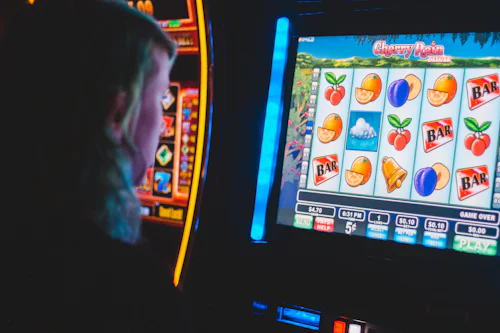
Moreover, the implementation of player tracking and personalized marketing is a sophisticated way to encourage gambling behavior. By collecting data on player preferences and spending habits, casinos can tailor offers that resonate with individual players, creating a sense of exclusivity and urgency. This targeted approach not only enhances the gambling experience but deepens the player’s emotional investment, making them more likely to return. Players may feel valued and understood, leading to increased loyalty and, ultimately, higher spending. As such, reward systems within casinos are powerful tools for influencing behavior and driving engagement.
The Social Dynamics of Gambling
Gambling is often a social activity, and the influence of social dynamics in casinos cannot be overlooked. The mechanics of social interaction can significantly alter a player’s behavior and decision-making process. The presence of a crowd can heighten excitement levels, leading individuals to gamble more aggressively than they might if they were alone. This phenomenon, known as social facilitation, contributes to a more animated gambling atmosphere, where players may feel driven to take risks they wouldn’t typically consider. The energy of fellow gamblers can create an intoxicating environment that can propel individuals to push their limits.
Furthermore, peer pressure plays a substantial role in gambling behavior. Individuals frequently observe others in their immediate vicinity, and their actions can impact personal betting decisions. For example, witnessing a fellow gambler win a large sum can invoke feelings of envy and motivation, leading to increased stakes or riskier bets. In social settings, the competitive nature of gambling often compels individuals to join in the fervor, thus influencing their gambling behavior significantly. This competition can create a feedback loop where the excitement of winning can spur more gambling, regardless of the potential consequences.
The role of socialization in casinos also extends to the network of relationships players build. Many people visit casinos with friends or family, leading to collective experiences that can further alter decision-making. The camaraderie and shared highs and lows can create lasting bonds, but they can also cloud judgment, pushing individuals to gamble more than they might have intended. Social dynamics in casinos not only shape the gambling experience but also influence how individuals perceive their gambling habits, often leading to a normalization of risky behavior in a group context.
The Impact of Technology and Data Analytics
Modern casinos have increasingly integrated technology and data analytics into their operations, further influencing player behavior. The rise of mobile applications and online gambling platforms has made it easier for players to engage with gaming from anywhere. This convenience can lead to increased gambling frequency, as players often lack the physical barriers present in traditional casinos. Technology facilitates impulse gambling, allowing individuals to place bets at a moment’s notice, thereby reducing the friction that might otherwise temper their actions. The ease of access can turn gambling into a spontaneous decision made without much forethought.

Additionally, sophisticated algorithms analyze player behavior and tailor marketing strategies according to individual gambling patterns. This use of big data allows casinos to maximize engagement by sending personalized promotions or reminders, effectively keeping players within the gaming ecosystem. As operators gain more insights into player preferences and habits, they can refine their offerings, increasing the likelihood of additional gaming sessions and heightened financial commitments. This data-driven approach creates a more engaging environment, where players feel constantly catered to and motivated to participate.
Furthermore, the advent of virtual reality (VR) and augmented reality (AR) in gaming is set to revolutionize the casino experience. These technologies create immersive environments that can engage players on deeper emotional and psychological levels. By simulating social interactions and stimulating sensory experiences, casinos can draw in players and foster a compelling narrative that encourages prolonged engagement. As technology continues to evolve, its influence on gambling behavior will undoubtedly expand, reshaping how individuals interact with casino environments. The future of gambling looks increasingly reliant on these technological advancements, which promise to create even more engaging and immersive experiences.
Conclusion and Insights About Responsible Gambling
Understanding how casinos can influence behavior is crucial for promoting responsible gambling practices. While the gaming experience is designed to be entertaining and exhilarating, it’s essential for individuals to remain aware of the psychological and environmental factors at play. Knowledge about casino design, reward systems, social dynamics, and technological advancements can empower players to make informed choices, ensuring that gambling remains a fun pastime rather than a compulsive behavior. Awareness and education are key components in navigating this complex landscape.
Encouraging awareness about the potential influences in casinos can lead to healthier gambling habits and a greater understanding of personal limits. Players should establish clear boundaries for themselves regarding time and spending, as well as recognize when to step back from gaming activities. Participating in community resources and seeking guidance on responsible gambling can further support individuals in maintaining a balanced approach. Ultimately, the responsibility lies with the individual to ensure that gambling remains a source of entertainment rather than a source of stress.
Ultimately, the interaction between casino environments and player behavior is complex and multifaceted. By examining these influences critically, individuals can navigate their gambling experiences more thoughtfully and strategically. The goal should always be to enjoy the entertainment value while safeguarding one’s financial and emotional well-being. A mindful approach to gambling can enhance enjoyment and ensure that it remains a positive aspect of life, rather than a problematic one.
